
Pests
Box Tree Moth Threatens New Jersey Boxwoods: What to Know
The box tree moth (Cydalima perspectalis) is an invasive pest that poses a serious threat to boxwoods in New Jersey—and it’s getting closer to Morris and Hunterdon Counties.

The box tree moth (Cydalima perspectalis) is an invasive pest that poses a serious threat to boxwoods in New Jersey—and it’s getting closer to Morris and Hunterdon Counties.
Lawn insects come in many shapes and sizes but basically, they either feed on the grass stems or the roots. Knowing who you are dealing with is critical in effective insect control. There are different products and different timings recommended for different insects. There are both preventative and curative products currently available.

Companion planting can add color, support pollinators and increase plant diversity in a vegetable or flower garden. Some strongly scented flowers and herbs may also make it more difficult for certain pests to locate nearby plants. Flowers should not be treated as a guaranteed replacement for pest monitoring or treatment. They work best as one part of a broader garden-care plan that includes healthy soil, proper watering, weed control, crop rotation and regular plant inspections. Here are several popular companion plants to consider and where they may fit within your garden.
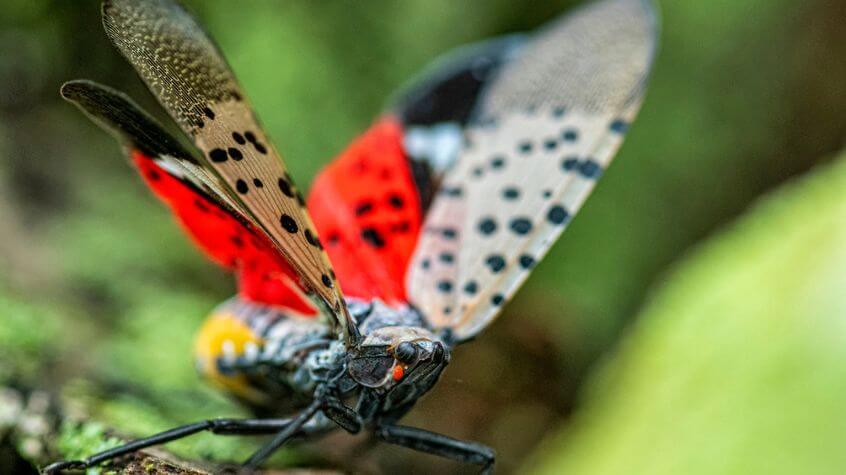
Invasive species are a serious problem impacting rural and urban landscapes throughout the country. Whether it’s iguanas in South Florida or Japanese green crabs on Cape Cod, invasive species wreak havoc on local ecosystems. They can effectively compete with, crowd, out, or kill native species changing habitats forever. On the East Coast, the spotted lanternfly is an invasive species that is again making headlines. New Jersey and Pennsylvania have placed dozens of counties under agricultural quarantine due to infestation. These invasive pests have also been spotted in Vermont, Rhode Island, New York, Virginia, Ohio, and as far west as Indiana.
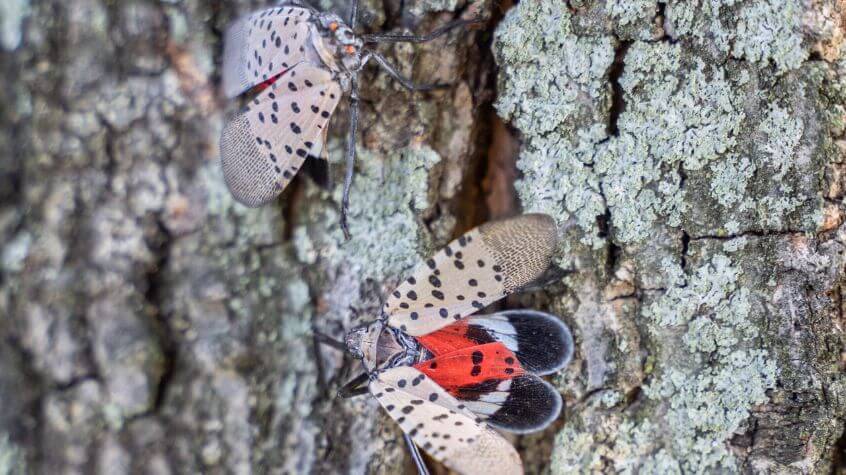
Spotted lanternflies are considered to be a serious pest. They feed on the sap of trees, often weakening them, and in some cases causing them to die completely.
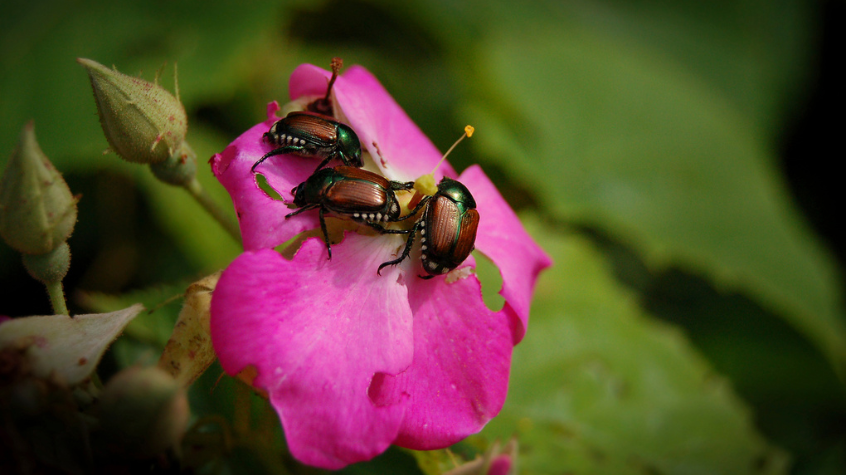
The average Japanese beetle lifespan is only about four to six weeks, but as any gardener supply store could tell you, that’s enough time for them to make meal out of your garden. But that doesn’t mean you’re powerless against these pests. Peak season is underway, so let’s take a look at some pest control methods you can use when battling Japanese beetles!
You love the plants, flowers, fruits and vegetables growing in your garden. So do bugs. And while some insect varieties can be beneficial to your backyard plant life, a lot of them can cause some serious damage. Before you reach for the spray, New Jersey gardeners, consider these pest control tips to protect your garden from insects.
Here’s an anniversary that’s not exactly worth celebrating: 2016 marks 100 years of Japanese beetles in New Jersey! From the Reading Eagle newspaper, July 22, 1923: “Seven years ago, concealed in imported azalea roots, an unsuspected grub entered this country from Japan. The destination of the roots was Burlington County, New Jersey. They got there and the grub came with them. It burrowed in the ground and hatched the Japanese beetle that already has done much damage and threatens to do much more.” A century later, the Japanese beetle is still a major gardening headache. As the newspaper account put it, “whatever green thing that comes in its way is grist for its insatiable devouring mill.”
Ah, the Japanese beetle. Nasty little buggers, aren’t they? If you grew up in the Midwest, the Mid-Atlantic, or just about anywhere along the East Coast of the United States, you probably still have early-summer memories of capturing dozens of the copper-and-green bugs in your backyard with slippery Japanese beetle traps. As an adult with a yard full of lovely foliage, though, or perhaps a backyard garden or a rose bush, these miniature Asian invaders aren’t quite as much fun. Read on for information on how to get rid of Japanese Beetles. Where Do Japanese Beetles Come From? The bugs are believed to have first escaped Japan and entered the U.S. in 1916. It’s thought that they stowed away in a

Discover the best garden centers near Mendham, New Jersey, for healthy plants, expert local advice, landscaping supplies, organic gardening products, and inspiration for creating a beautiful, thriving outdoor space.

When winter rolls in, most of us think about snow shovels, heating bills, and whether the first storm will knock out the power. What often gets overlooked? The tools and equipment we depend on when things go sideways.
The box tree moth (Cydalima perspectalis) is an invasive pest that poses a serious threat to boxwoods in New Jersey—and it’s getting closer to Morris and Hunterdon Counties.

With four seasons, dozens of different grass seeds and mixes, and hundreds of fertilizer formulations and products for weeds, bugs, and fungi, it’s no wonder lawn care can seem overwhelming at times.
Breathe. We’re here to help! 😁

Wondering how to raise chickens? Well, just wing it! Whether you’re a seasoned gardener or just starting out with your backyard farm, keeping chickens can be a rewarding experience.

With Halloween just around the corner, it’s time to start thinking about transforming your garden into a spooky and enchanting space with these Spooktacular decor